A Ripping Time

If there was any doubt my glutes and thighs have grown in size since going to the gym, it was proved when I split my shorts doing deep squats the other day! Fortunately I had a spare pair with me and was able to see out the session.
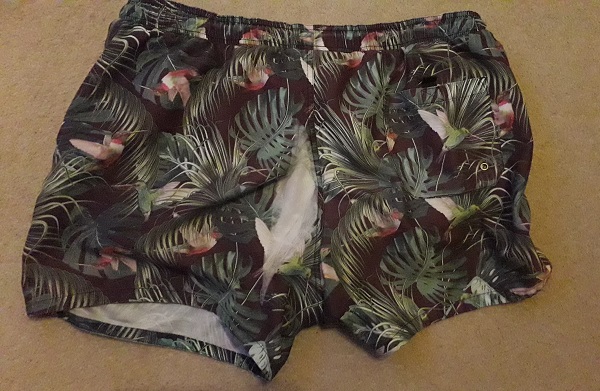
10″ rip – there’s no repairing them

Previously I wrote that weight training for runners really only needs to focus on 1/4 and 1/2 squats – the latter of which are to parallel. The former are useful for max velocity, the latter for acceleration particularly out of blocks.

Deep squats, which are a staple of power lifters and gym goers, where you go ass-to-grass and your bum is lower than parallel, thereby putting you in ‘the hole’, aren’t found to serve much purpose for runners.

Yet having pushed my squat up to 160kg in the Smith machine in early January, I found my deep squat was barely half of this. I was straining to do even 1 rep at 70kg despite the Smith machine channelling all my force into the lift rather than having to worry about stability or balance.

The disparity between my 1/4 squat and deep squat seemed too much and after Christmas I decided to focus on improving my depth. For one thing, everything you can do from a deep squat means you can do that weight at 1/2 and 1/4 squat too. I also suspect the disparity is because there is some underdeveloped muscle somewhere in my legs/hips which would benefit from strengthening by getting lower.

I know when I unracked 160kg it was the first time I’d felt like my back might not like the squats. I felt a little bit of strain there and as I lowered the bar, I was really conscious I couldn’t go deeper than about 8-10”. Pushing back up to standing was less of an issue than the lowering phase. I was never in any danger because I always set the safety bars on the equipment, and while they have tested twice with crashing out, I don’t want to attempt any lift with a gung-ho mindset.


While the focus has been on improving my deep squat, every three weeks or so I slot in a heavy session to remind the body it’s still needed. In February that saw me do four sets of 6x150kg in the free squat area which suggests with the right training I’d be able to do 1 rep of 180kg. While these heavy lifts might only be a 1/4 squat at best – perhaps getting 30cm or so of depth – I’m still very pleased with them and what it might contribute to max velocity.

There is a suggestion that a 1/4 squat should be able to lift 30-45% more than a deep squat which works out as at between 124-138kg. Yet my latest deep squats see me only just able to do 3 reps at 90kg and I’m struggling with poor form such as hips lifting first.

This is why I’m working on the deep squat at the moment. The disparity is still too wide. I’m barely able to deep squat my body weight and from what I’ve read, focusing on 1/4 and 1/2 squats doesn’t become effective until you can deep squat at least 1.5x bodyweight which would be the upper end of the 124-138kg range.

Realistically I know I’m not going to get there in the month I have left at the gym during my winter membership but I’m certainly feeling the benefits of strength training and setting myself up to run faster through the summer and then get back to the gym to further improve next winter.

Staying healthy

I was in my early twenties when I made, what I now realise was, a very insightful observation. Where I worked the majority of people were older than me. (That’s not the insight). Of course when you’re young you have no judgement of how old other people are. Thirty seems wise and mature when you’re twenty and anyone over forty is ancient like your parents!

Now while I didn’t go around asking people their age you get a feel based on their seniority. There were the people who did the actual work, like myself, and we were all under thirty. The people who were middle management were usually in their thirties and the senior managers were over forty. Of course there were some workers in their forties who only made it to supervisor or team leader level or not even that far.

I’d get an idea of their age based on their family circumstances or how long they’d been working and the stories they told about when they were growing up. Whether it was supporting a football team that had success in the Sixties, their drinking stories from the Seventies or being single in the Eighties.

Despite this inability to accurately age people, what I noticed about the men who were under forty was they generally looked similar to people in their twenties. Yet the men who were over forty-five were overweight, grey or bald and wearing spectacles. Something happened to men between the age of forty and forty-five and it wasn’t flattering. This was the big insight!

This forty to forty-five change isn’t quite as prevalent today as it was thirty years ago. There’s certainly some artificial manipulation going on with hair dye, shaving the head completely bald rather than a combover and eye surgery or contact lenses instead of spectacles. But generally people look after themselves a little better and fifty has become the new forty! There are even people looking amazing in their sixties – think Tom Cruise.

I decided then I didn’t want this rapid ageing disaster to befall me and I would stay fit and healthy as best I could. The prevailing wisdom was that you can’t stop the ageing process but I’ve never been one for believing that and you did occasionally see people who looked much better than their years.


As I exited my thirties I found the occasional grey hair and a very gradually receding hairline, but it wasn’t until I turned forty-five that I saw a photo where my hair looked notably greyer. Even then I looked good for my age yet my reaction was to start learning what I could do to slow the decline. I bought a copy of Joe Friel’s “Fast After 50” as I wanted a headstart on what I should be doing when I hit them. That’s all summed up in my “The Ageing Runner” series of posts.

I’ve continued to decline a little more over the past five years. My eyesight is declining but I’m holding off on the specs and have tried various exercises to strengthen them. My hair is beginning to grey up on top where before it was just the temples. I still have a decent head of hair but my male pattern baldness is following the same trend as my uncle who is now seventy-two and looks exactly like I recall my grandad looking.


Now at fifty, I’m thinking ahead again. I don’t want to be one of those people who reaches their eighties and stoops, shuffles, struggles to get up and downstairs and has a variety of illnesses that keep flaring up. I’ve seen my parents, relatives and neighbours hitting this age and it’s saddening to see the decline kick in more strongly because they haven’t done any exercise beyond the housework, gardening and walking around town.

It doesn’t have to be the end, I keep telling them they could build more fitness. Over the past few years the BBC has aired programmes taking groups of sedentary seventy-somethings and improving their health and fitness by having them doing appropriate weightlifting and fitness exercises. This is good news for those who’ve left it until later but it’s much harder to build up when you’re faced with a big reclamation project rather than an ongoing maintenance task. If you get too far overweight or unfit, you may struggle to be able to get an exercise programme started plus you’ll have lived your fifties and sixties with many of the effects of ill-health – aches, pains, getting out of breath on stairs, fatigued and possibly feeling unhappy when you look in the mirror.

It might seem strange to be thinking thirty years into the future but doing so gives you a chance to identify and build good habits and if you take a month off, it really isn’t going to cause too much decline. On the other hand, it’s not uncommon for sedentary adults to put on 1-2 pounds of fat each year (and that’s a conservative amount for people who don’t exercise) which will leave them two to four stone heavier in thirty years’ time with all the problems that brings.

This is why I’ve been training for the 800m. I think it’s the best blend of aerobic exercise and speed you can do. To support it, I do press-ups, bicep curls and corework to keep my upper body toned and strong. The trick to slowing the ageing decline is to make sure you maximise using what you have got. The reason others get slow is they stop doing hard all-out exercise at all, get comfy and think going for a jog or walk is enough. It really isn’t.

This all began the better part of thirty years ago for me when I spotted the rapid decline between forty and forty-five. Reaching fifty, I’m pleased to consider myself about as fit and healthy as I can be at this age. It’s worth pointing that I haven’t been obsessive about this over that span. There have been periods where I didn’t exercise or ate badly but it was never too difficult to get back into shape because I was never too far away from my best!